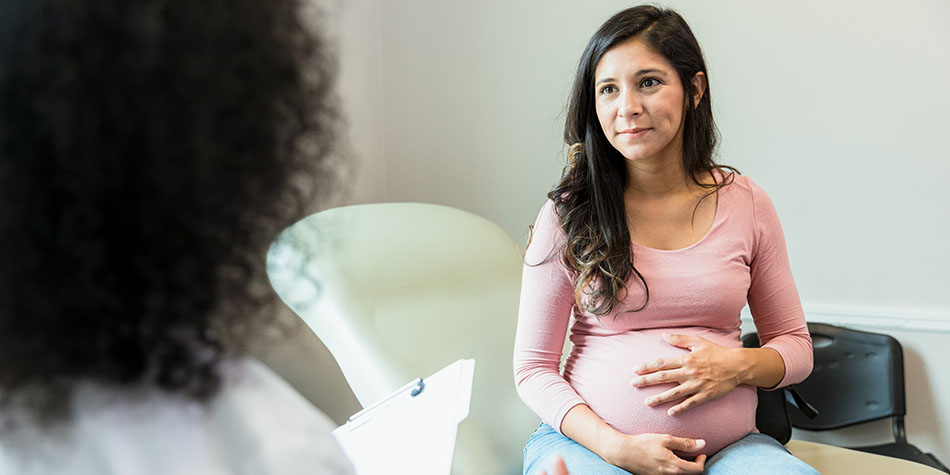
A prenatal appointment gives expecting mothers a chance to discuss common pregnancy aches, warning signs and when pain may need medical attention.
When you're pregnant, your body goes through many changes, which can include some common aches and pains. Some discomfort during pregnancy is common, but there are symptoms that may alert you to a problem needing medical attention.
Here we lay out the differences so you can feel more confident about when to rest and when to call your healthcare team.
Why does pain sometimes occur during pregnancy?
As your baby grows, your muscles, ligaments and joints naturally adapt to support both your child's development and your upcoming labor. Your body stretches and shifts in response to these changes. Hormonal fluctuations can also affect posture and loosen joints, which may cause discomfort.
Managing and preventing discomfort
Many women find chiropractic care as a helpful treatment for musculoskeletal pain during pregnancy, according to the National Institutes of Health. Since many mothers avoid medications, nonpharmacologic therapy to ease pain, such as chiropractic treatment, is often helpful. It offers intervention without medication.
According to the American College of Obstetricians and Gynecologists, experiencing aches and discomfort during pregnancy is common. However, if your pain persists or becomes severe, be sure to consult your doctor or midwife.
Common pain in pregnancy
1. Back pain
Lower back pain is one of the most common issues in pregnancy. Weight gain, strained muscles and changes in posture may lead to back pain. Prenatal yoga or Pilates and other exercise along with chiropractic adjustments, proper posture and supportive footwear may help bring relief.
2. Pelvic pain or pressure
Pelvic pressure can occur as your baby grows larger and settles lower in your pelvis. If you experience sudden or severe pain in your pelvis, talk to your healthcare team.
3. Leg cramps
Leg cramps are common in the second and third trimesters and often strike at night. Staying well hydrated and practicing gentle stretches can help ease discomfort. Be sure your diet includes enough magnesium and calcium. Prenatal vitamins may also help — talk with your healthcare team if you have questions about the right dosage.
4. Headaches
Several issues such as stress, hormonal changes and dehydration can contribute to headaches during pregnancy. Headaches can be a normal part of pregnancy and often improve with rest, hydration or simple pain relief measures. However, headaches can also be a warning sign of more serious conditions, such as preeclampsia, especially if they are severe, persistent or occur after 20 weeks of pregnancy. Talk with your doctor or midwife right away if you have a new or worsening headache, or if it is accompanied by vision changes, swelling or high blood pressure.
5. Abdominal cramping
Mild cramping can be normal, especially early in pregnancy. Cramping, accompanied by bleeding, fever or severe pain, should prompt a call to your doctor.
6. Round ligament pain
If you feel an ache or a sharp pain in your lower abdomen or groin, especially when you move, it's likely round ligament pain. It often occurs in the second trimester and usually improves with rest and gentle stretching. A warm bath and a belly band to support your pregnant abdomen may help. Ask your healthcare team for more recommendations.
7. Pain with contractions
Braxton Hicks contractions (often known as false labor contractions) can cause tightening or discomfort. If you experience regular, painful contractions increasing in intensity, contact your doctor or midwife. You may be in labor.
When to call for help
As a rule, call if you are dealing with pain that is:
- Severe, continual or increasing
- Accompanied by bleeding, fever, dizziness
- Paired with decreased movement of your baby
Seek emergency care for sudden severe pain, heavy bleeding, signs of preterm labor or other concerning symptoms.
Supporting a healthy pregnancy
If you're unsure whether your pain is normal, your healthcare team can help you determine what is normal and what isn't. And remember, regular prenatal care appointments support a healthy pregnancy for everyone.
$webqFacilityNumber
Need a Physician?